Case 04 · Visual communication
TCO Certified
What does sustainable IT look like?

Overview
TCO Certified is a sustainability certification for IT products, covering everything from climate impact to working conditions in the supply chain. My job was to make all of that easier to understand, without making it simpler than it is.
As designer at TCO Development, I developed the visual language of TCO Certified. Beyond that, much of my work was creating visual communication that helps people make a more sustainable choice when it comes to IT products.
- My role
- I led the continuous development of the visual language for TCO Certified, working closely with sustainability experts to turn complex criteria into reports, infographics and visual narratives.
- Team
- Andreas Langer, Cassandra Julin, Dennis Svärd, Gabriella Mellstrand, Malin Russell, Peter Knochenhauer Bengtsson
- Client
- TCO Development
Complex, not complicated
TCO Certified's main audience is procurers, along with the brand owners who make the products. Both need to understand a lot: criteria on climate, hazardous substances, circularity and supply chain, often in detail.
The content is complex, and there is no way around that. But how you present it, and how clear you make it, affects how easy it is to grasp.

A slow change
None of this happened at once. A year or so into my time at TCO Development, we updated the brand together with an agency. After I took over as designer in 2018, we kept iterating on it over time.
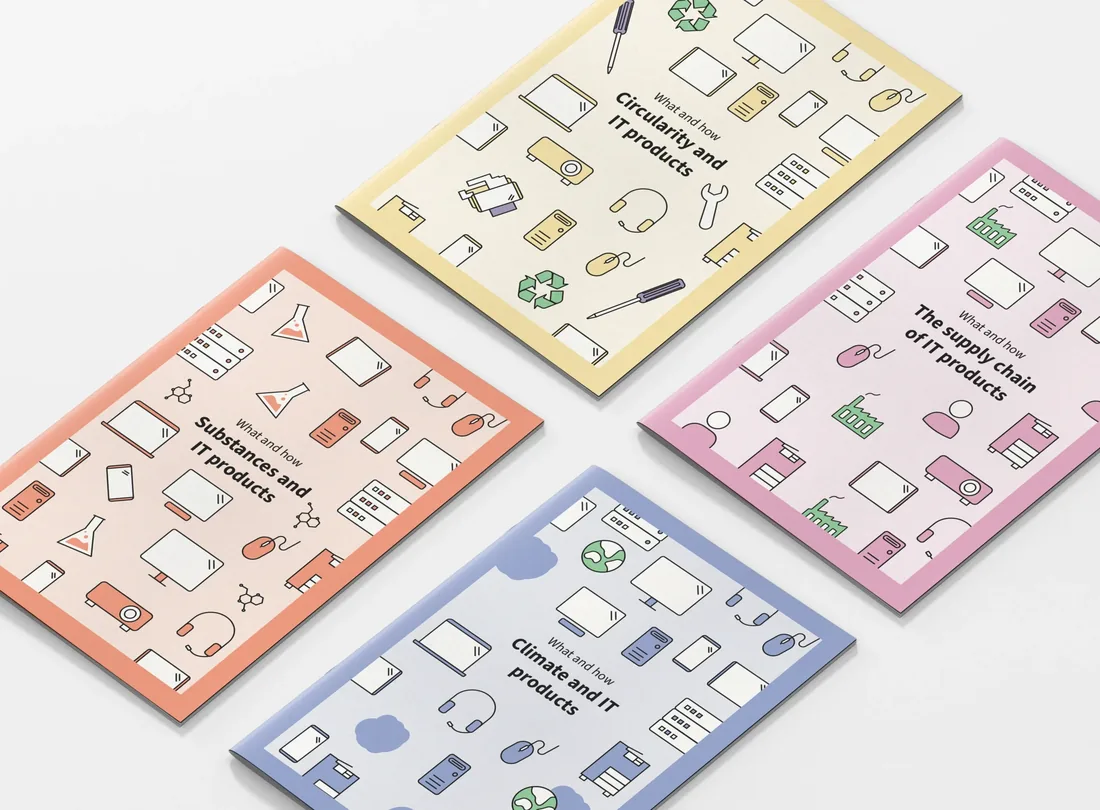
We expanded how we use colour and found graphic elements that tell the story and add meaning. For instance, a range of outlets from different countries points to the global reach of the certification.
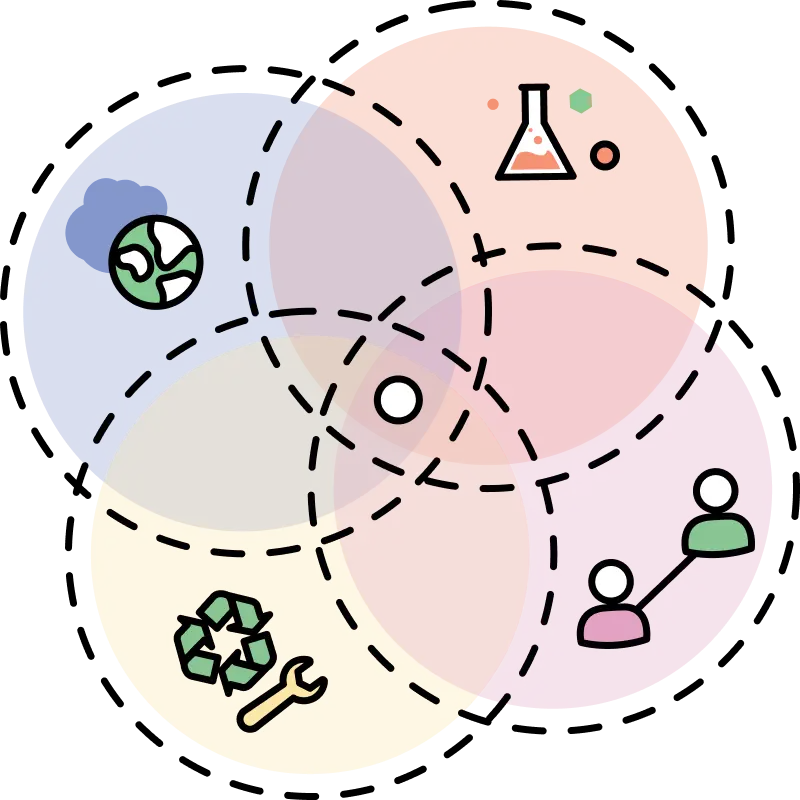
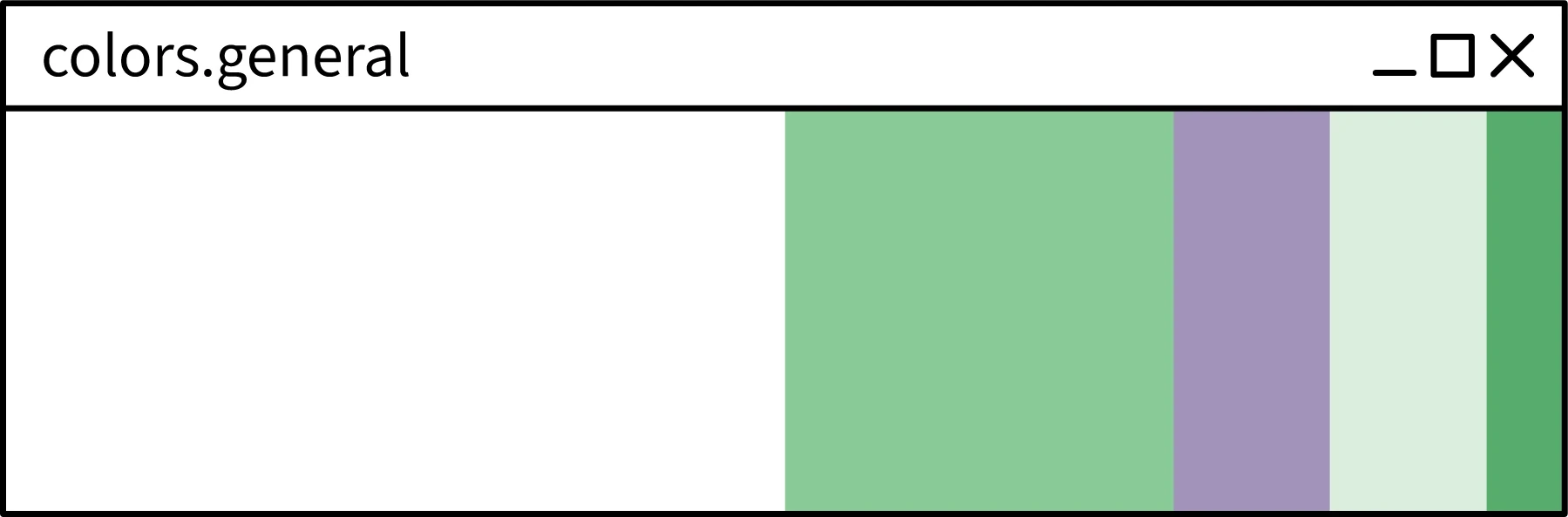
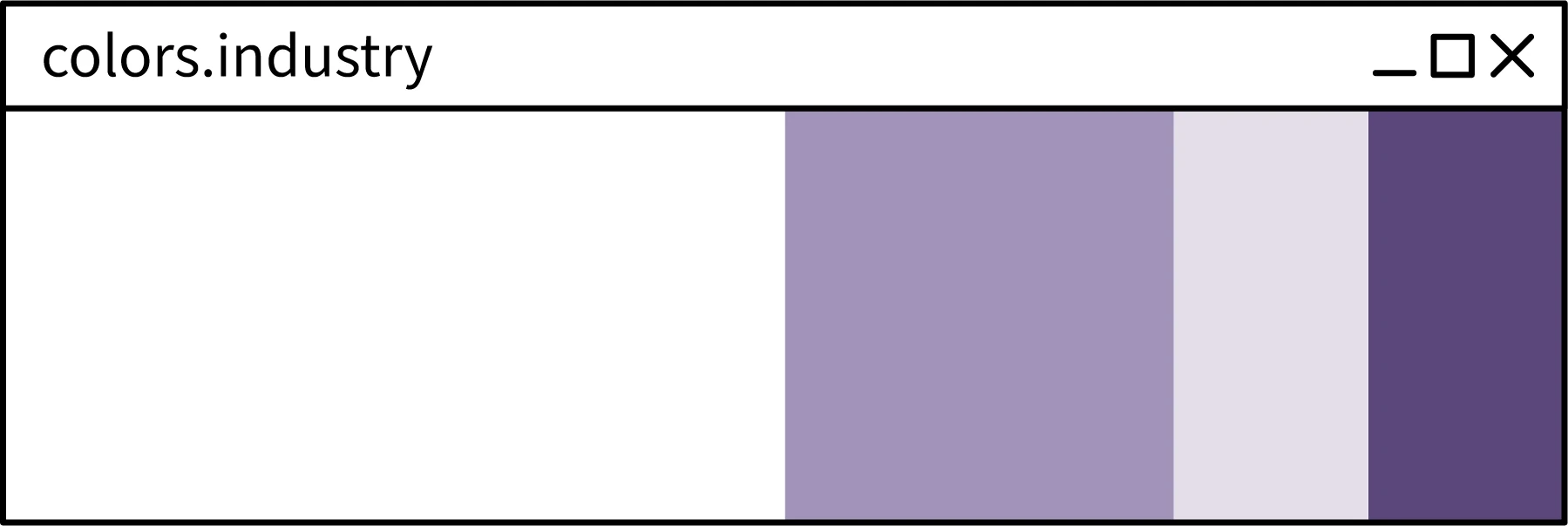
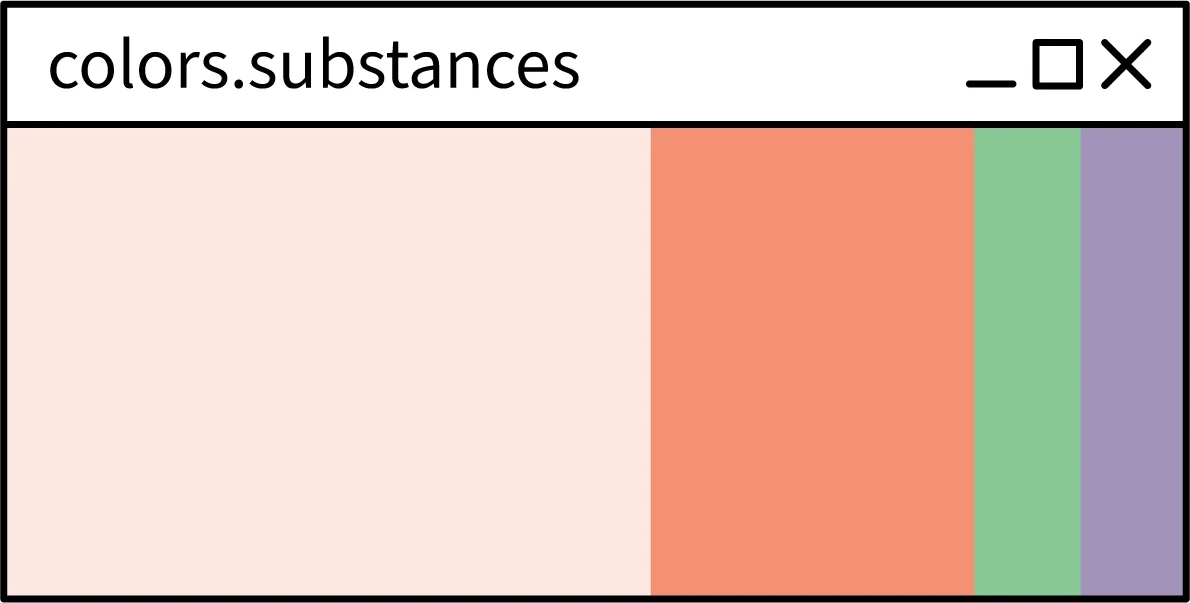
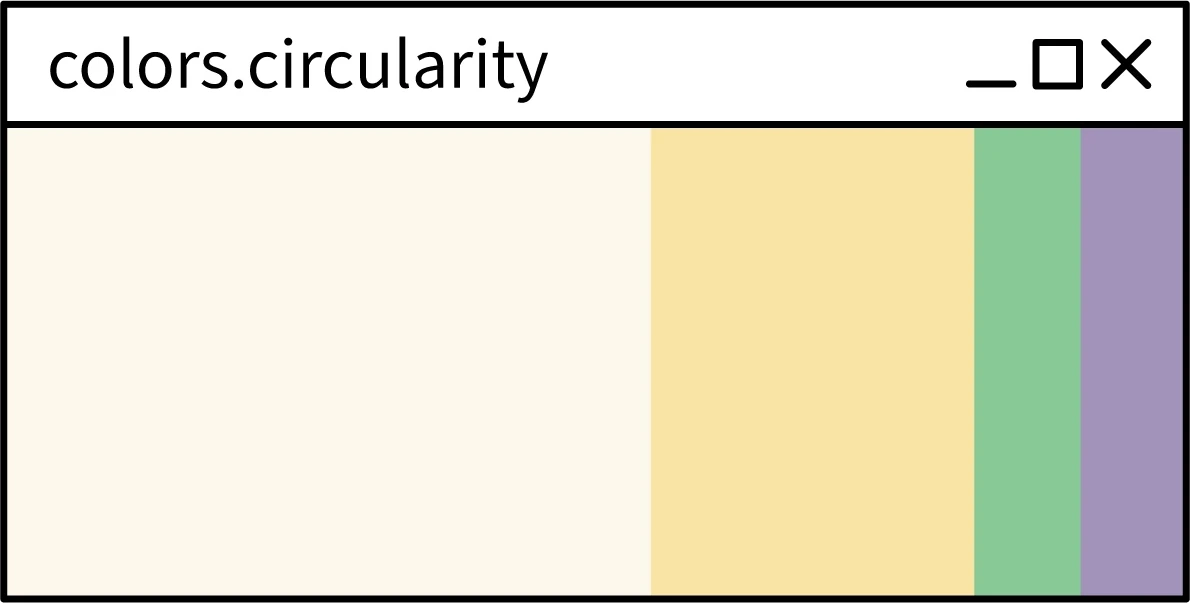
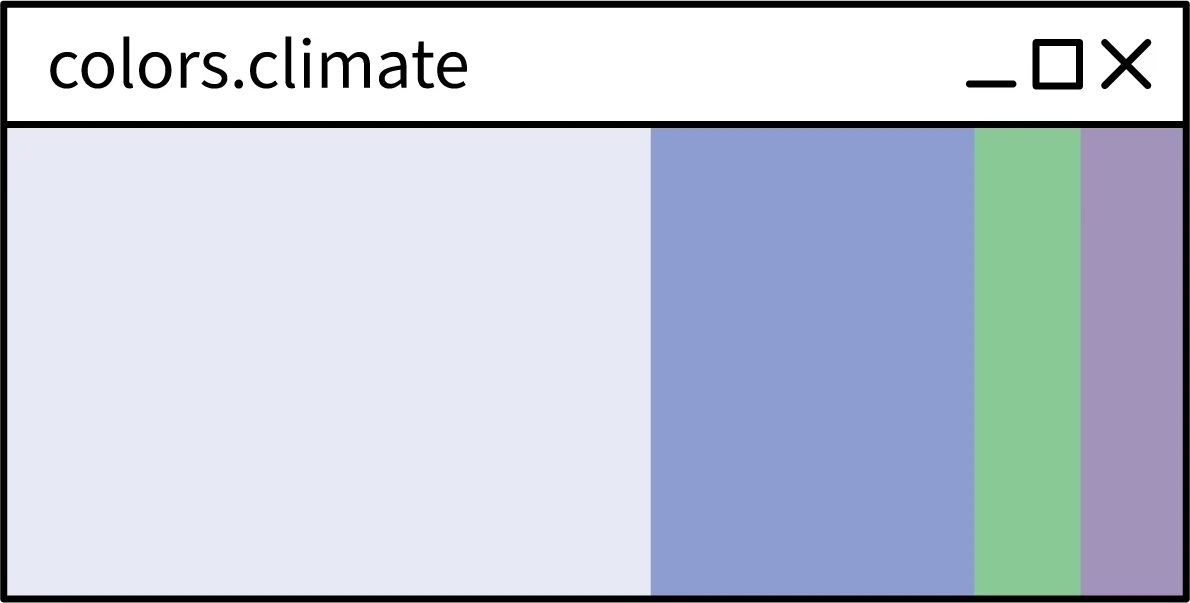
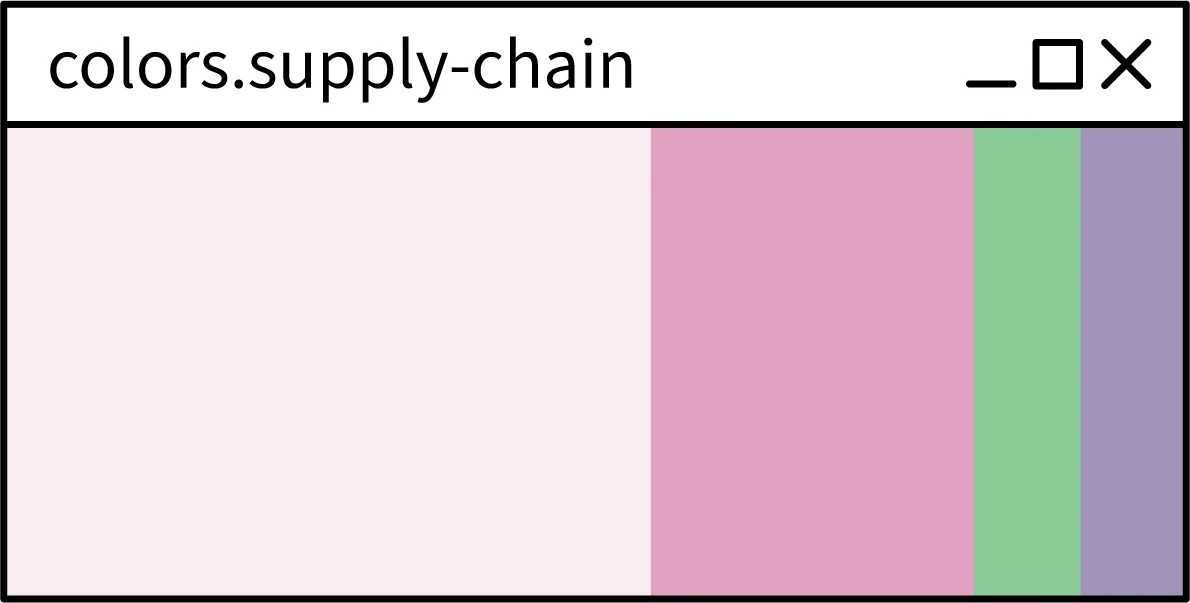
TCO Certified works across four areas: climate, substances, circularity and supply chain. We gave each one its own colour, because we produced a lot of content within each area.
People often came to TCO Certified interested in one specific topic, and then went on to read about the others. The colours made it easy to tell the areas apart, and at the same time showed how broad the certification is.
The Venn diagram tells the other half of the story: the areas overlap, and progress in one strengthens the others.
People in the chain
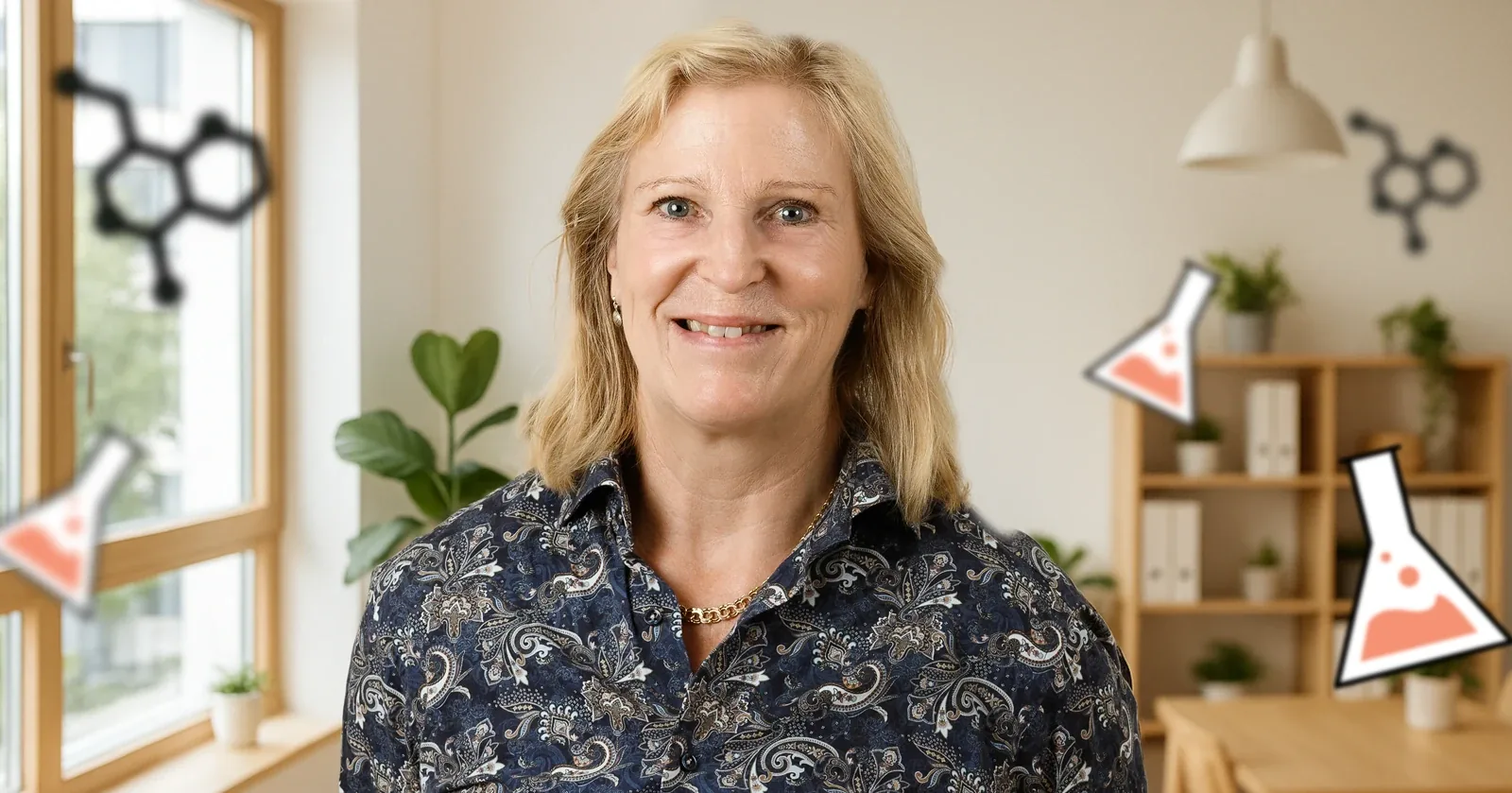
To give the content depth, we showed the people along the product's life cycle: the person who builds the product, the person who uses it, and those in between. Icons placed on the photos show which topic each image is about, so the picture and the subject read together.
We used the same approach for our own experts, which made it possible to create images showing their different areas of expertise.







Showing instead of telling
Sometimes the clearest way to explain a criterion is to let people try it. For an article on tcocertified.com, I developed and designed an interactive carbon calculator that shows how the length of time you use a device affects its carbon footprint.
Most of a notebook’s climate impact comes from making it, not from using it. Moving the slider and watching the yearly footprint shrink makes that point faster than any paragraph could. Try it yourself.
Clear, not simple
My years with TCO Certified taught me that clarity and simplicity are not the same thing. Making something simpler often means leaving things out. Making it clearer means finding the order in it, so that people can take in as much as they need.
It also taught me to design for the long run. A visual language for a certification is never finished. It has to make room for new criteria, new areas and new formats, without losing what makes it recognisable.
And I learned how much the work depends on the people behind the content. The best results came when I worked closely with the sustainability experts early on, to understand what really mattered before deciding how to show it.
Next project